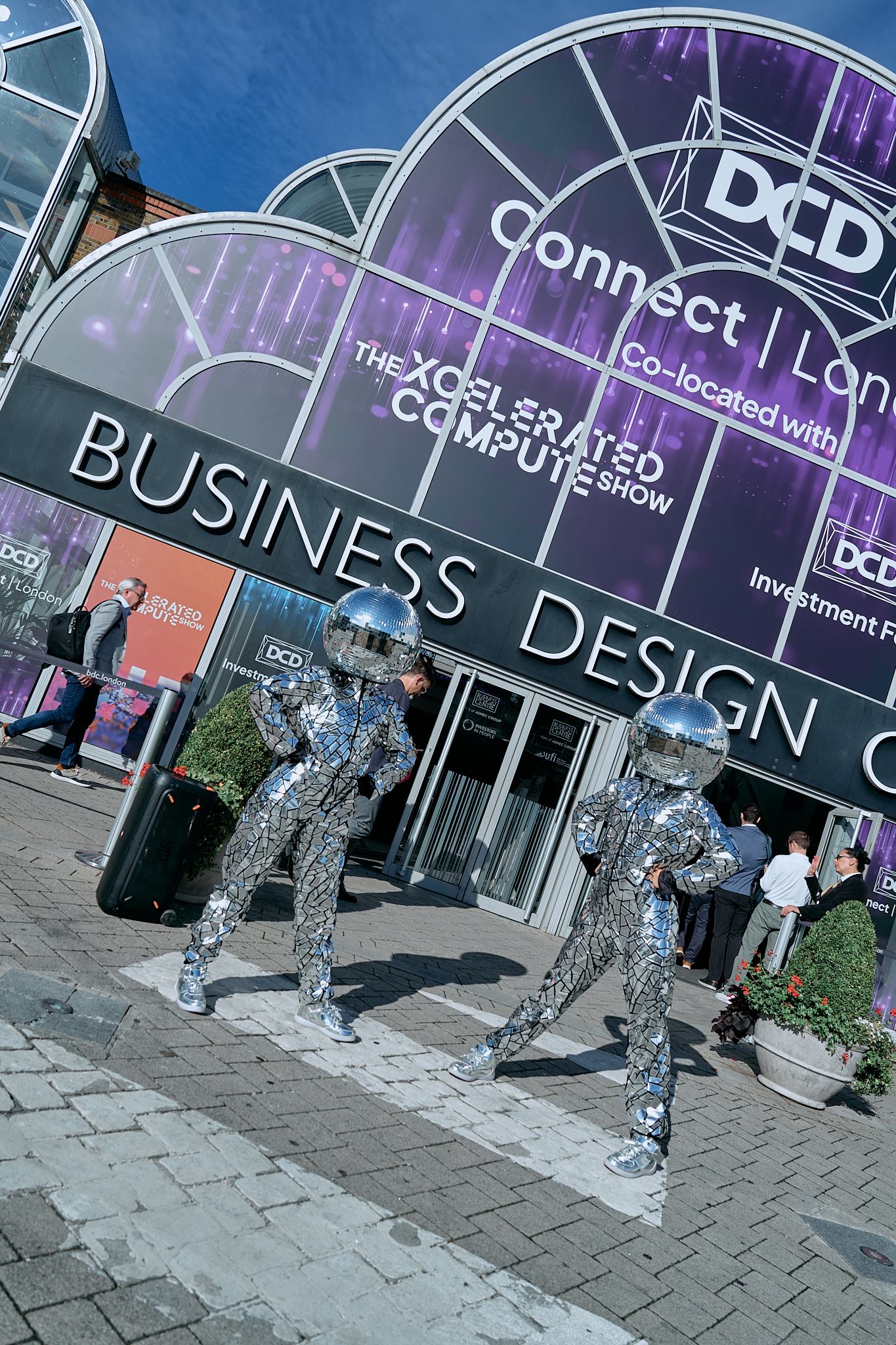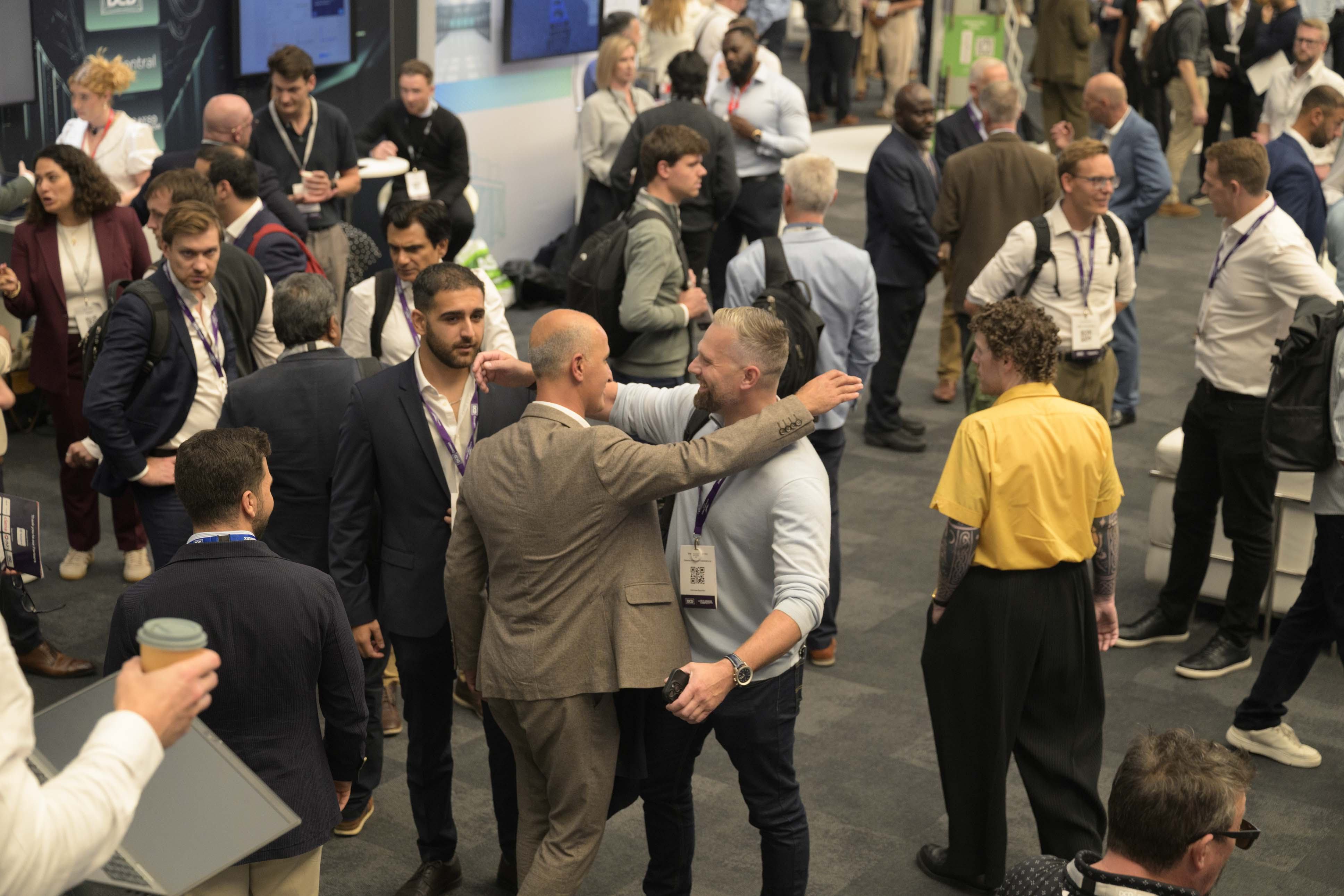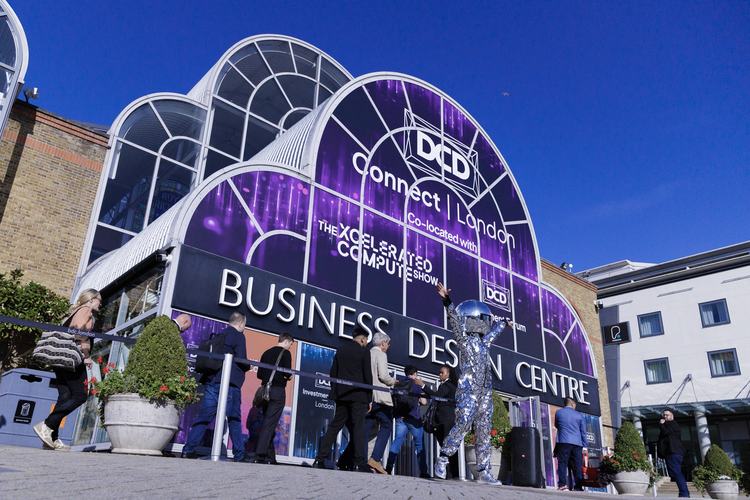
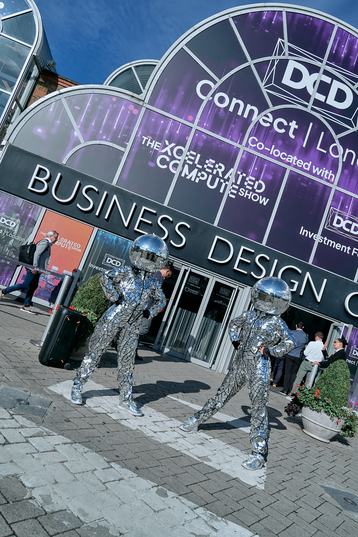
Over two jam-packed days at London’s Business Design Center, DCD Connect London 2026 brought together delegates across the digital infrastructure industry (some 4,000 at that) to tackle how we can realistically build a more adaptable, resilient, and sustainable digital future as demand continues to accelerate the evolution of infrastructure itself.
The answer, if there was one, was that nobody is going to solve it alone.
So it’s just as well that over those two days, experts from different corners of this broadening industry rubbed shoulders across a program of new and expanded content – from a Cooling Innovation Showcase and Nordics Spotlight to the inaugural London Energy Summit – in discussions around sovereignty, power, supply chains, cooling, skills, and community engagement.
While there were a host of different perspectives about how the industry should move forward, one resounding message cut through the noise: if we want to leave the industry in a better place than we found it, we’re going to have to work together.
Day 1: Building an adaptable digital continent
Day 1 was all about working out what a feasible European digital future might actually look like. While spotlights on the UK, the Nordics, and Iberia showed how different regional approaches can be, they also pointed to a distinctly European model the continent could build on.
Sovereignty without trying to own everything
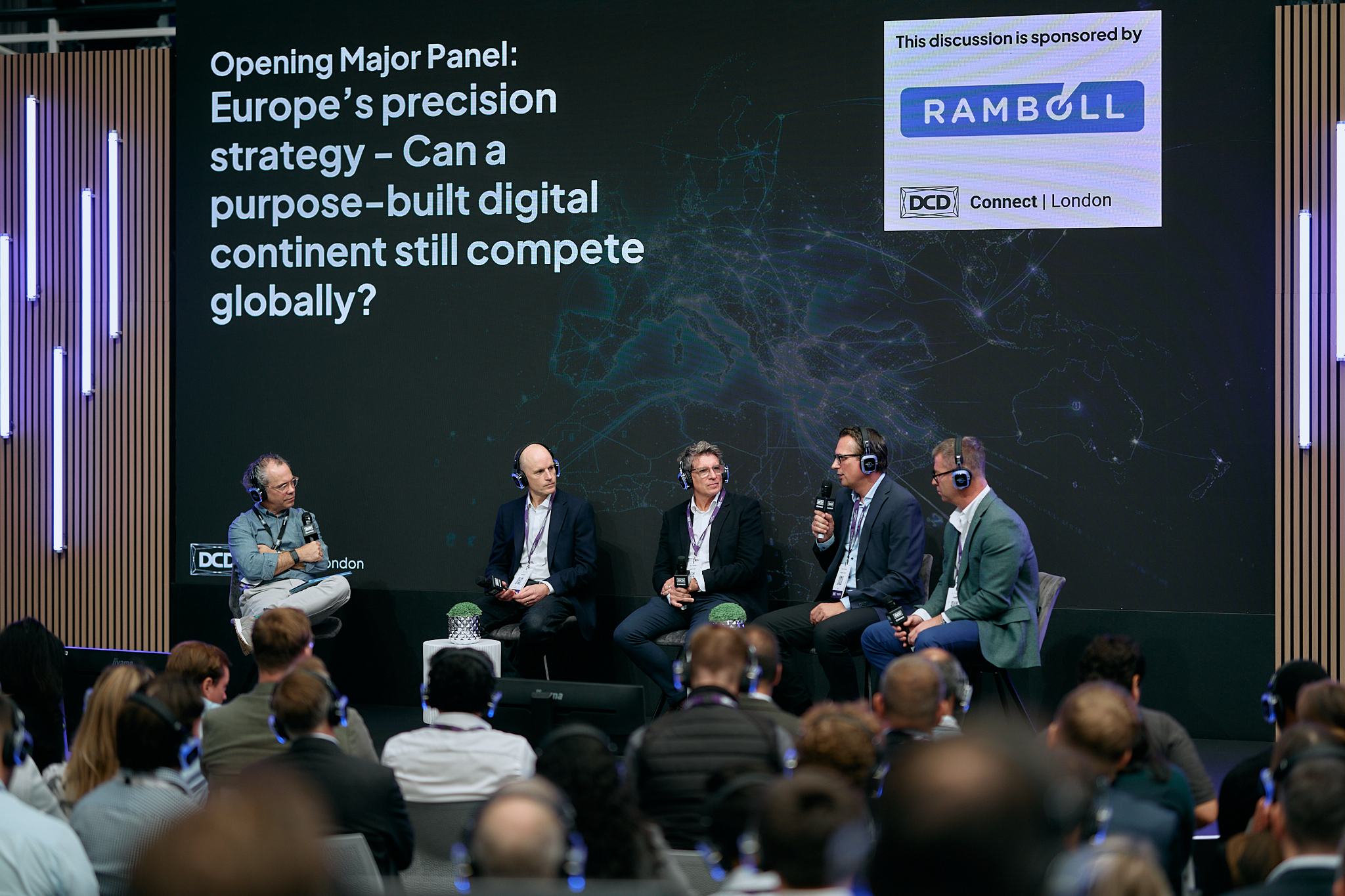
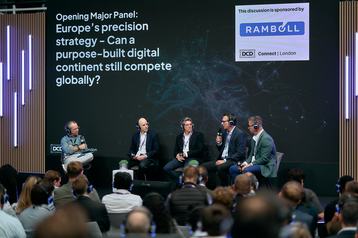
Sovereignty has become one of Europe’s central dilemmas. But perspectives around the definition of sovereignty were a surprising point of conversation, as highlighted in the opening panel, “Europe’s precision strategy – can a purpose-built digital continent still compete globally?”
Manuel Greisinger of Google argued that in this regard, the definition needs to become more nuanced, implying that sovereignty is not simply about where infrastructure physically sits, but whether that infrastructure and the automation surrounding it can continue operating under extreme circumstances.
While Europe may not need to own every component of its digital infrastructure to exercise sovereignty, it does need the capacity to operate critical systems resiliently.
Greg Roberts of Ramboll added that rather than trying to compete across the entire AI stack, Europe should identify the areas where it can genuinely be competitive, while ensuring it has sufficient domestic compute to run sovereign and frontier models.
The clear message emerged that Europe does not need to reproduce the infrastructure models of the US or China. It also can’t afford to stand still. Mark Pestridge of Telehouse pointed instead to Europe’s multicultural and multilingual environment as a strength, advocating for solutions designed around what European customers actually want. That could include hybrid inference environments and a more geographically diverse infrastructure model.
Empowering people as we broaden our horizons
Building a purpose-built digital continent could also mean changing the geography of Europe’s infrastructure market. After all, people buy data centers to fulfill a need, and as demand for low-latency infrastructure grows, the industry is looking beyond the traditional data center hubs and FLAP-D markets, toward second- and third-tier cities.
This prompted experts to discuss what happens when data centers move closer to the communities they are ultimately there to serve.
One acronym that dominated the two days was “PPP”. In this case, it was “power, permit, people” – a reminder that community needs to be part of the conversation as projects move out of traditional, oversaturated hubs and further into new locations.
Roberts of Ramboll pointed to opportunities to use stranded power and cited Danish waste heat reuse schemes as examples of how data centers could become integrated with wider energy systems. Smaller facilities could increasingly be embedded within communities rather than concentrating development exclusively in large campuses.
George Rockett of Yotta and DCD even raised the possibility of thinking about data centers as part of a wider civic infrastructure system.
It is an ambitious idea, but the underlying ethos is that across stakeholders and industry roles, “people” are a core part of the ecosystem and should be addressed at the beginning of the development process – not once a project is already committed and everyone is wondering how to bring the community along.
AI has broken the static data center
If the social and geographic questions are getting harder, so are the infrastructure concerns.
On the topic of data center construction, expert panels made clear that facilities are becoming increasingly difficult to design around fixed assumptions.
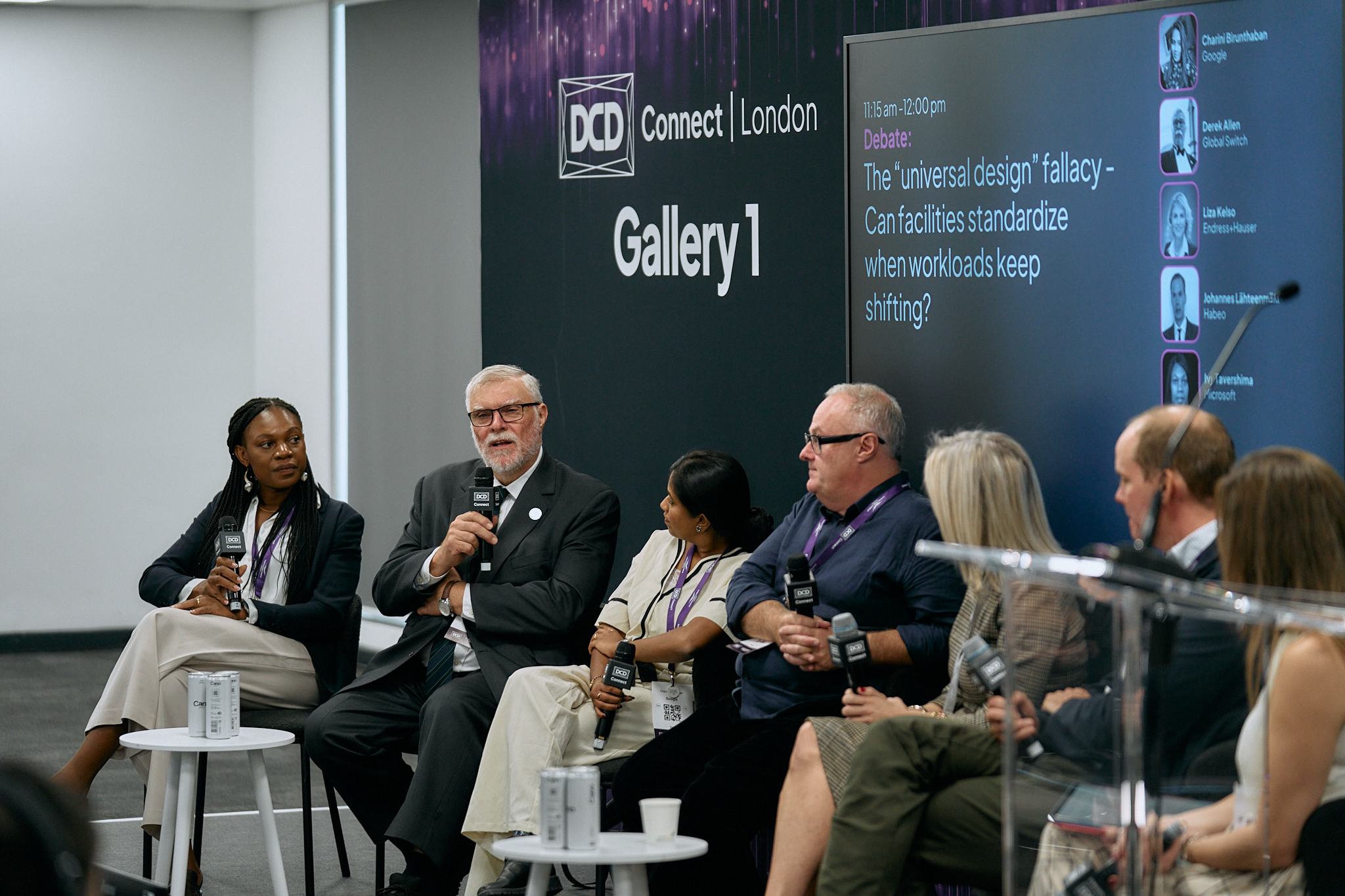
In the DCD debate “The ‘universal design’ fallacy – can facilities standardize when workloads keep shifting?”, the rapid evolution of GPUs was identified as a major challenge. While there were valid questions about whether standardization still works, equally, operators cannot simply abandon it.
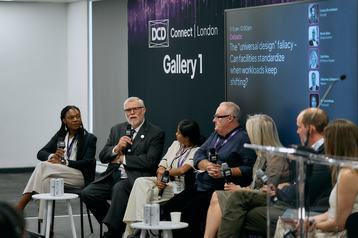
Derek Allen of Global Switch argued that standard components remain essential for controlling delivery costs while making the overall facility flexible enough to cope with changing requirements.
The emerging compromise put forward by Colin Wyatt of GreenScale Data Centres was to standardize components that are expensive and difficult to change – such as transformers and chillers – while keeping smaller elements adaptable. So standardize long-lead equipment, and bring OEMs on board much earlier. And ideally, that collaboration starts at the point of specification rather than after the design is already locked in.
Cooling becomes part of the compute equation
While we’re on the topic of AI changing everything, cooling is one element that is particularly difficult to overlook. The dynamic nature of AI workloads means rack-level demand can fluctuate, while cooling systems need to respond accordingly.
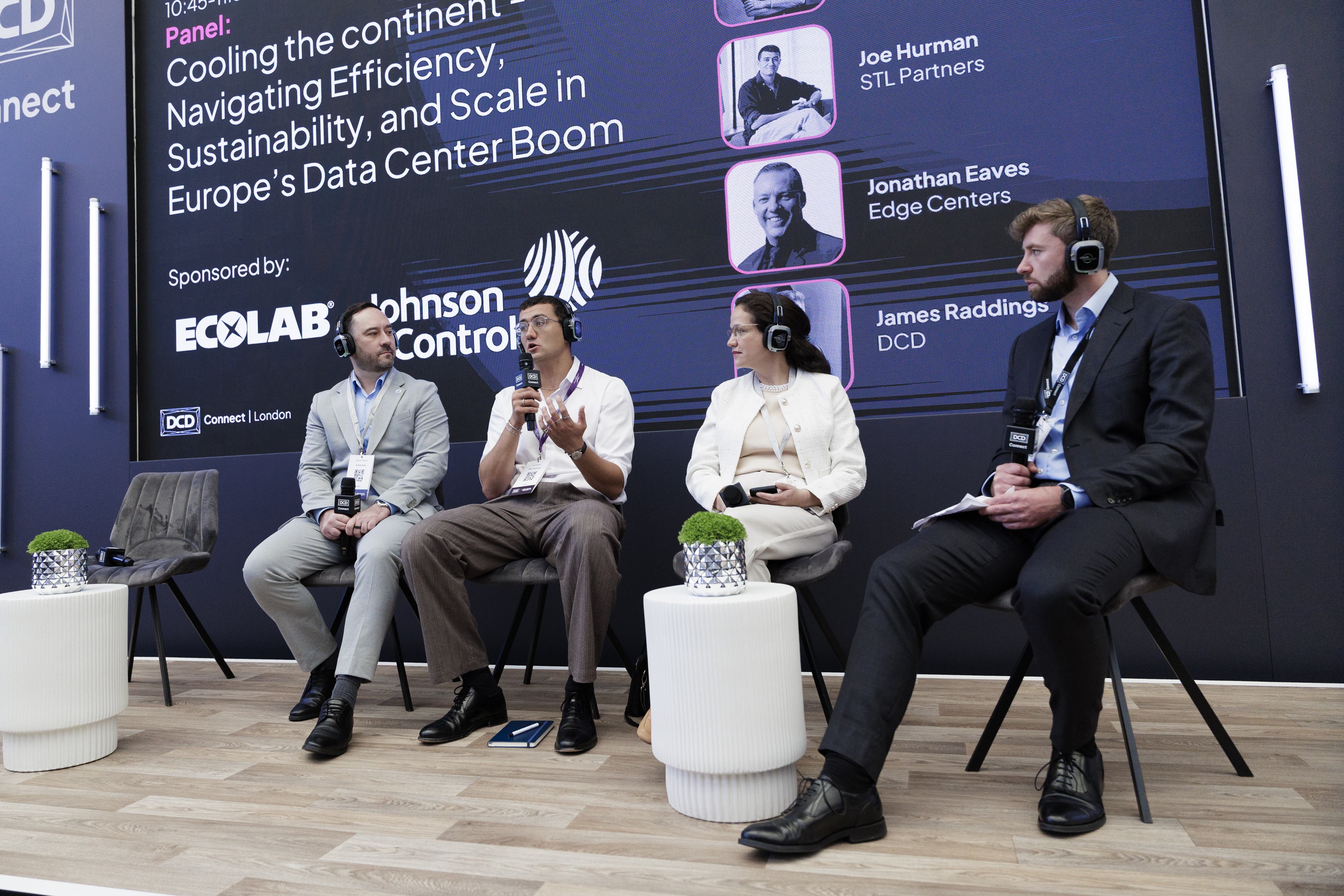
The DCD Connect Cooling Innovation Showcase looked at how operators can navigate efficiency, sustainability, and scale as Europe’s data center boom continues.
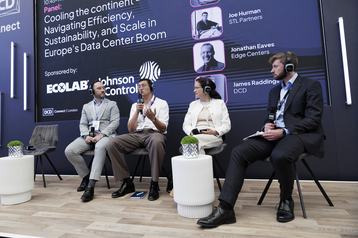
On the panel, Joe Hurman of STL Partners argued that operators need to become less agnostic about what is happening inside their facilities, particularly as AI deployments become more heterogeneous.
Debora Bahiense of Ecolab stressed the need for collaboration, with liquid cooling increasingly touching IT performance itself and potentially requiring orchestration across multiple providers.
That changes the role of cooling. Where it was previously seen as a supporting mechanical system, cooling has now become part of the architecture of AI infrastructure itself.
Power, and the opportunity in sustainability
None of this, of course, happens without power. The issue appeared repeatedly across discussions, from site selection to cooling and sustainability.
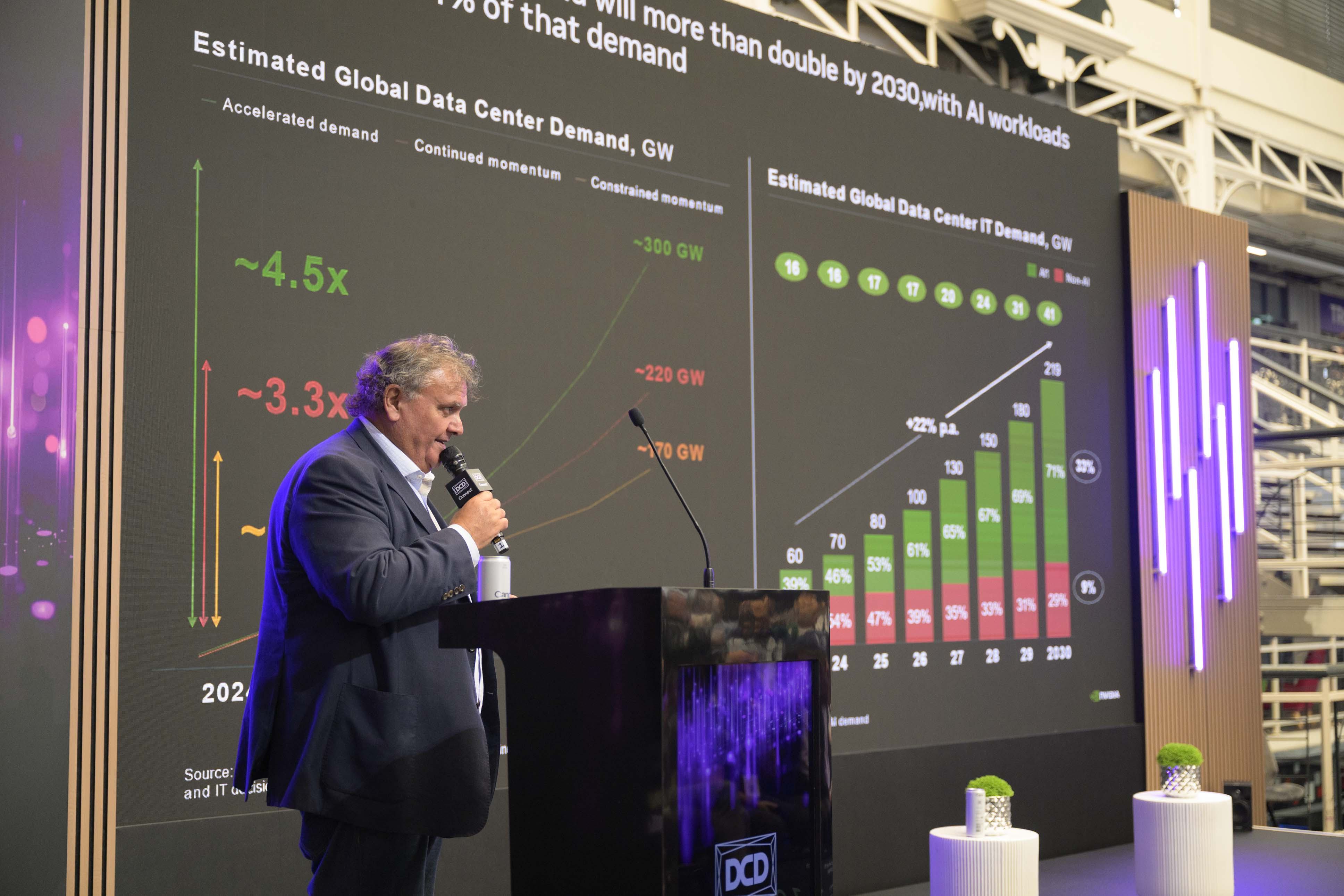
Rod Evans of NVIDIA, in his keynote “The rise of AI and the need for data center sustainability,” described the emergence of data centers as AI factories, with demand for power and capacity set to rise significantly through 2030.
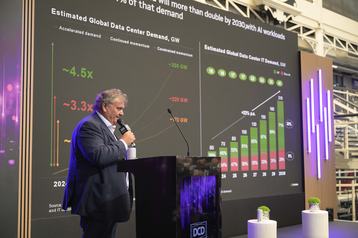
NVIDIA’s response includes more behind-the-meter power, direct liquid cooling, and high-density 800VDC architectures for future megawatt-scale racks. Evans also highlighted the company’s DSX platform for digital twins and simulated designs as tools for developing more scalable and efficient facilities.
For Europe specifically, however, there is another piece of the puzzle which comes in the form of connecting new compute demand with existing energy systems. And that is where the talk got particularly interesting.
Some of the most exciting points focused on what connection could mean for local communities. Where Evans stated that data centers employ approximately 0.8 people per megawatt, municipalities increasingly expect broader benefits, such as through universities, science parks, industrial ecosystems, and local hiring. Examples included a proposed Nordic timber-based facility integrated with its surroundings, alongside district heating, timber drying, and salmon farming using recovered heat.
The idea is bigger than just building a data center; it’s about asking, ‘What can the infrastructure do for everything around it?’
The permit is no longer the end of the conversation
Perhaps the biggest change between conversations of yesterday and today is the social aspect. The debate “Is ‘social license to operate’ now the hardest permit to secure?” highlighted the growing expectation that operators must demonstrate tangible benefits to the communities hosting data centers.
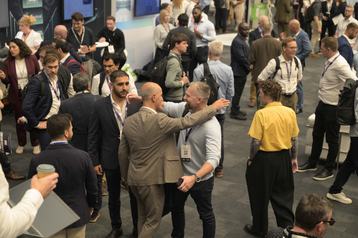
For example, why not look first at where green heat is needed and then develop infrastructure in those locations?
The conversation, held under Chatham House Rule, raised terms such as “food sovereignty” and “data to dinner”. Other ideas included waste heat to support local heating, hospitals, or food production, and developments contributing to schools, employment, and skills.
Crucially, social value was expected to become an expectation at the tendering stage rather than something added after approval. As such, could getting a “societal permit” become just as important as getting planning permission?

There is also a significant communications challenge. Experts raised that fear of AI can translate into fear of data centers. And data centers have an obvious problem here – people can see and understand a house or shopping center because they physically interact with it. A data center has traditionally – and continues to be – much more elusive.
Communities are asking, “What have you done for me lately?” And perhaps more importantly, “What are you going to do for me in the future?”
Greater transparency, community engagement, and direct participation from customers will therefore become increasingly important.
Day 2: AI’s speed challenge is really an infrastructure challenge
If Day 1 was about defining what Europe’s AI infrastructure should look like, Day 2 focused on how the industry can actually deliver it at the speed AI demands.
Across discussions, it was evident that speed cannot come at the cost of control, resilience, or social value.
Unmanaged speed hits terminal velocity
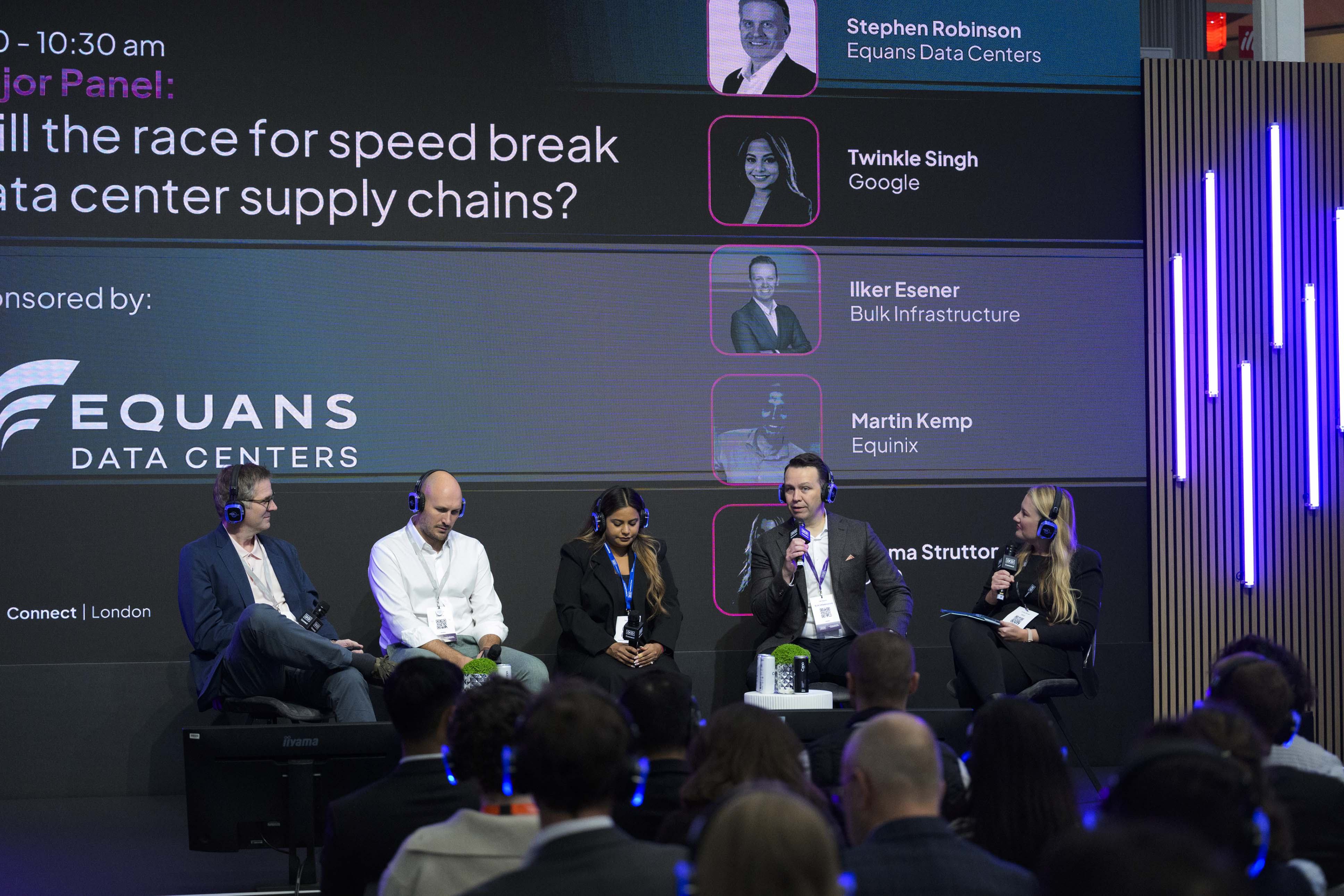
That tension was particularly evident in the panel “Will the race for speed break data center supply chains?” where the overall consensus was that current supply chain constraints are not a temporary bottleneck.
Martin Kemp of Equinix warned that long lead times are likely to persist, with operators needing a high degree of certainty about their one-to-three-year requirements while attempting to forecast equipment needs much further into the future.
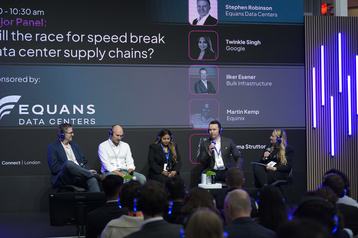
The answer, according to Ilker Esener of Bulk Infrastructure, is greater transparency across the supply chain. Operators, suppliers, and customers all need visibility into what is coming next, because there is ultimately a “terminal velocity” to how quickly the industry can move.
Twinkle Singh of Google identified unmanaged speed as the real problem. Adding velocity without sufficient buffers and change control can create its own risks. The objective, she argued, should be to combine greater speed with greater discipline.
The industry’s response is also likely to require a deeper and more transparent view of the supply chain, including identifying third- and fourth-tier suppliers from the engineering stage.
The same applies to people. Training and skills do not happen on the same timeline as building development. Stephen Robinson of Equans Data Centers highlighted the need to invest in skills well before facilities are ready to operate – particularly in relatively remote locations outside traditional FLAP-D markets.
The skilled workforce challenge cannot be solved by hiring alone
We are all well-aware of the industry’s skills shortage. Operators are simultaneously facing an aging workforce, changing skills requirements as equipment evolves, and losing experienced staff to competitors.
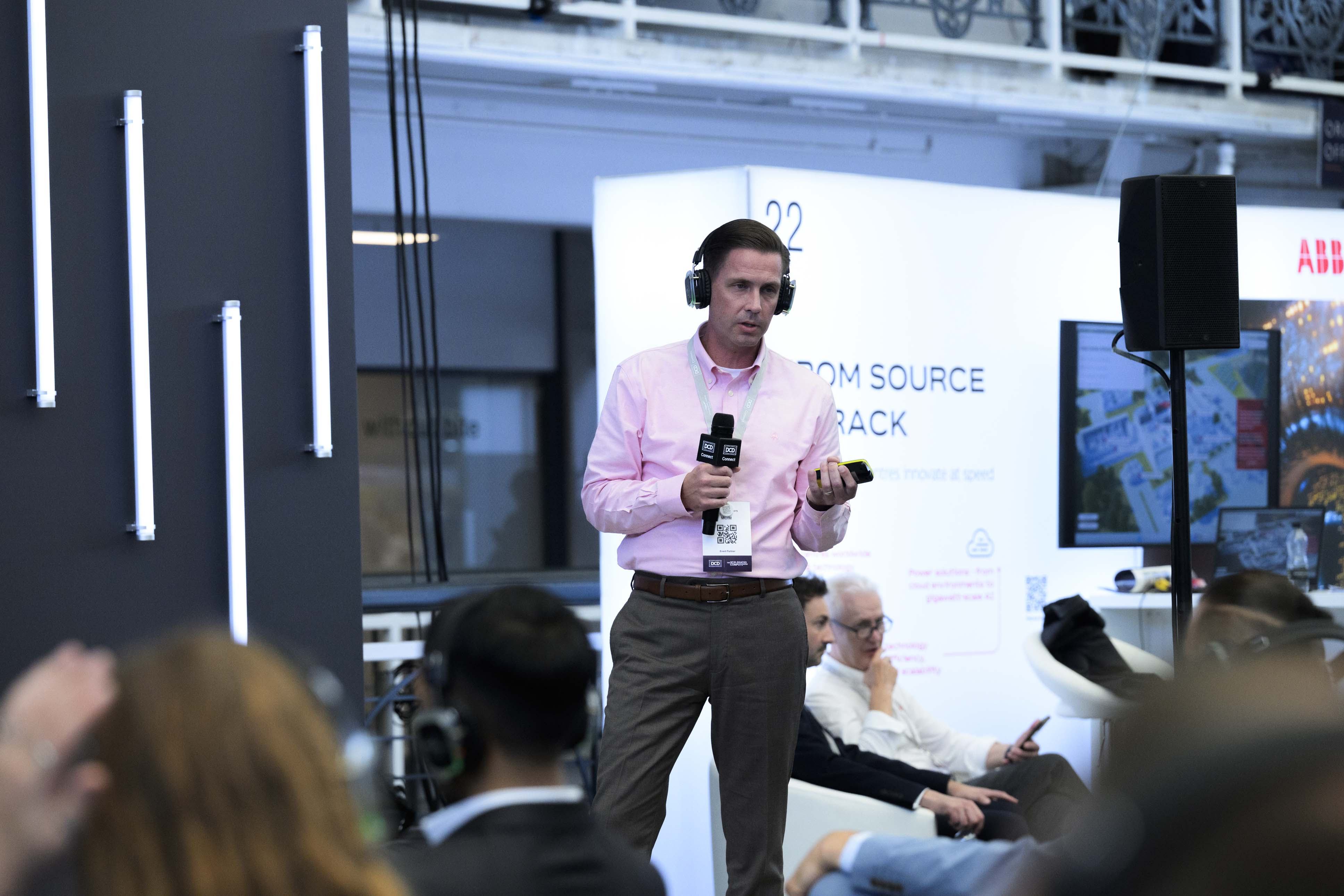
During the MCIM Tech Showcase “Solving the talent gap with workforce-ready AI”, the blunt assessment was that “hiring more people will not solve the technician shortage”.
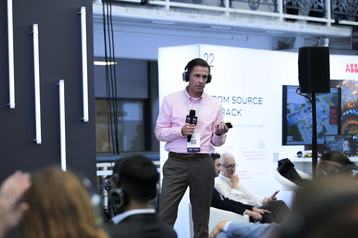
AI could become part of the response. Rather than relying on a general-purpose LLM, one proposed approach is to combine AI with real-life operational knowledge, contextual “ontology” models, and mechanisms such as model context protocols (MCPs) for uses like regulatory protocols.
The objective is an AI co-pilot that can help technicians make informed decisions, encouraging them to hone their craft, rather than simply producing fast answers.
And this idea of AI and automation taking a greater role in the data center goes beyond just the human element. In the AWS keynote “Scaling faster, reducing complexity, and blast radius,” Ehsaan Farsimadan posited the potential for self-healing processes to address anomalies before technician intervention is required.
The objective is to reduce the “blast radius” of failures. In other words, as AI workloads become more consequential, systems need to be capable of identifying, containing, and recovering from local failures before they become facility-wide events.
Net-zero needs to become net-positive
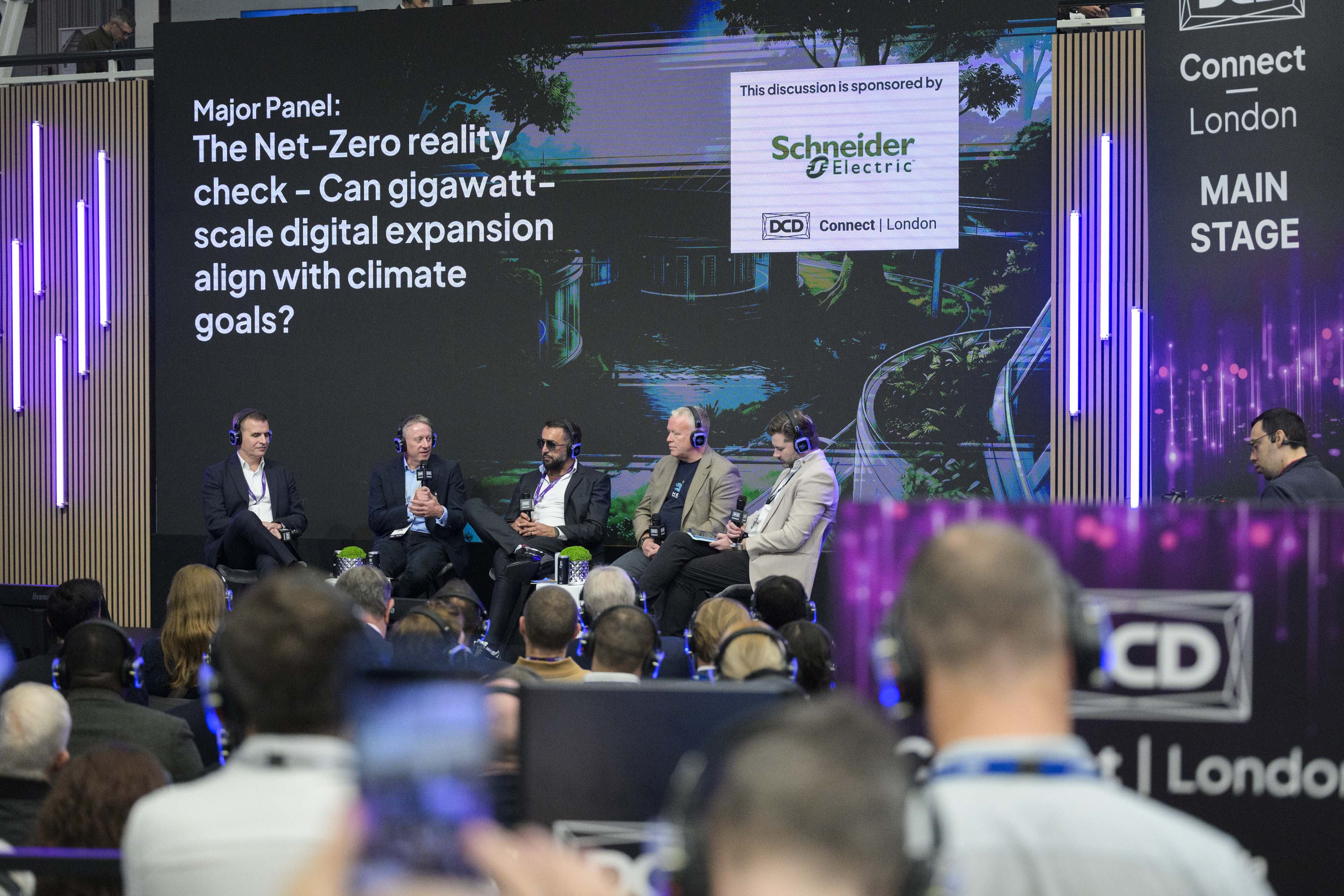
Opening the “Net-zero reality check – can gigawatt-scale digital expansion align with climate goals?” panel, Dan Loosemore of DCD reiterated the “PPP” principle – this time, “people, planet, profit”.
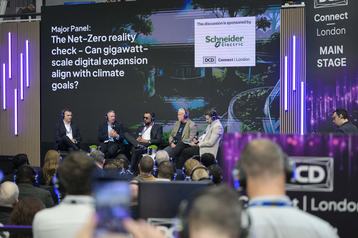
Acknowledging the presence of a few protestors outside the event, Loosemore emphasized the importance of discussions around social value and the need for infrastructure to become part of the solution.
Svein Atle Hagaseth of Heim Datacenter underlined that sustainability becomes significantly harder to manage at larger scale if it is not integrated from the beginning, with the challenge extending into how effectively that capacity is actually utilized.
David Hall of Tillion Data Centers noted that a megawatt of capacity does not necessarily equal a megawatt of useful utilization. Instead, data centers can act as an “anchor customer” for a wider sustainable energy vision. Rather than simply purchasing renewable power, developments could help stimulate additional renewable generation.
Other approaches discussed included retrofitting existing data centers using reference designs, while stranded capacity could potentially be fed back into the grid.
But for Alberto Ravagni of the Net Zero Innovation Hub for Data Centers, the industry’s narrative needs to go further. “Net-zero” may no longer be sufficient for the public. The ambition, he argued, could instead become “net-positive” infrastructure that demonstrably improves the communities and energy systems around it.
The data center as a good neighbor
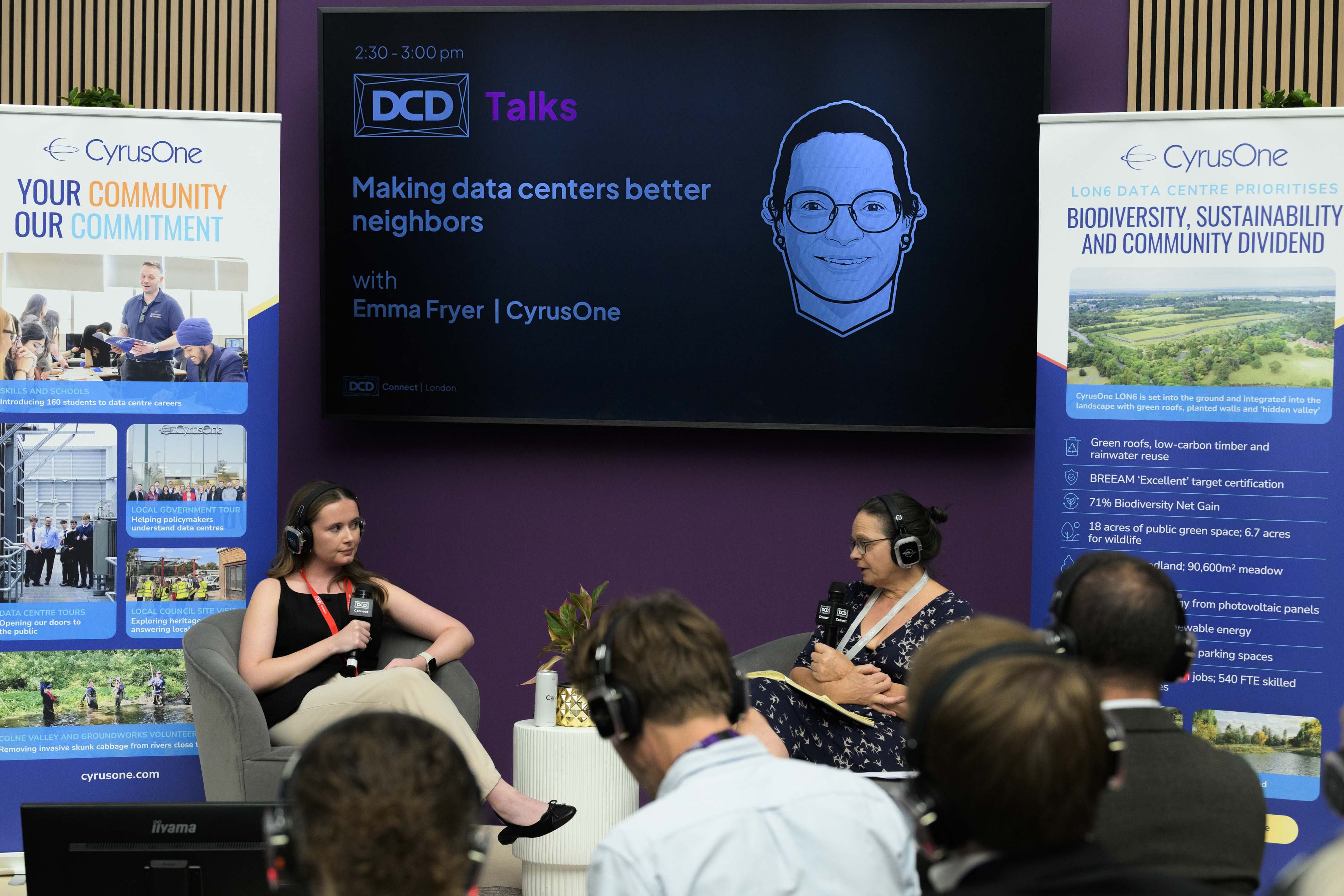
And that thinking links directly back to the industry’s relationship with local communities. In a DCD Talks session, Emma Fryer of CyrusOne highlighted that while there is greater awareness of data centers today, there is not necessarily greater understanding.
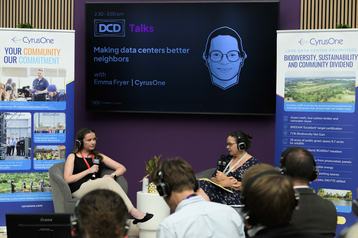
Facilities need to be appropriate for their locations, including consideration of factors such as aesthetics, noise and the use of local resources. But communities also need a robust assessment of what they actually need.
That means societal value cannot simply be another line in a planning application. Operators need to behave like local citizens and carry out a genuinely representative assessment of local needs. Is it aesthetics? Is it public amenity? Is it jobs, skills, heat, education, or something else entirely? The answer will be different from one location to another.
Changing the data center dynamic
And perhaps that is the thread running through the entire event. DCD Connect London 2026 was about surfacing the big challenges facing the digital infrastructure industry in Europe and around the world, tackling how to build and sustain a system that integrates into society as a whole.
Across panels, talks, showcases, debates, and a demo-packed show floor, DCD brought people together to tackle a topic that affects people. It affects developers, engineers, manufacturers, communities, and ultimately everyone who relies on digital infrastructure, whether they realize it or not.
If anything, DCD’s role is to keep those conversations moving, bringing industry stakeholders together, challenging ideas, and helping turn discussion from ambition into meaningful action.
After all, “dynamics” are defined by constant change. The data center industry is changing fast – the question is what it changes into.
Read the orginal article: https://www.datacenterdynamics.com/en/marketwatch/event-downtime-dynamic-upheaval/