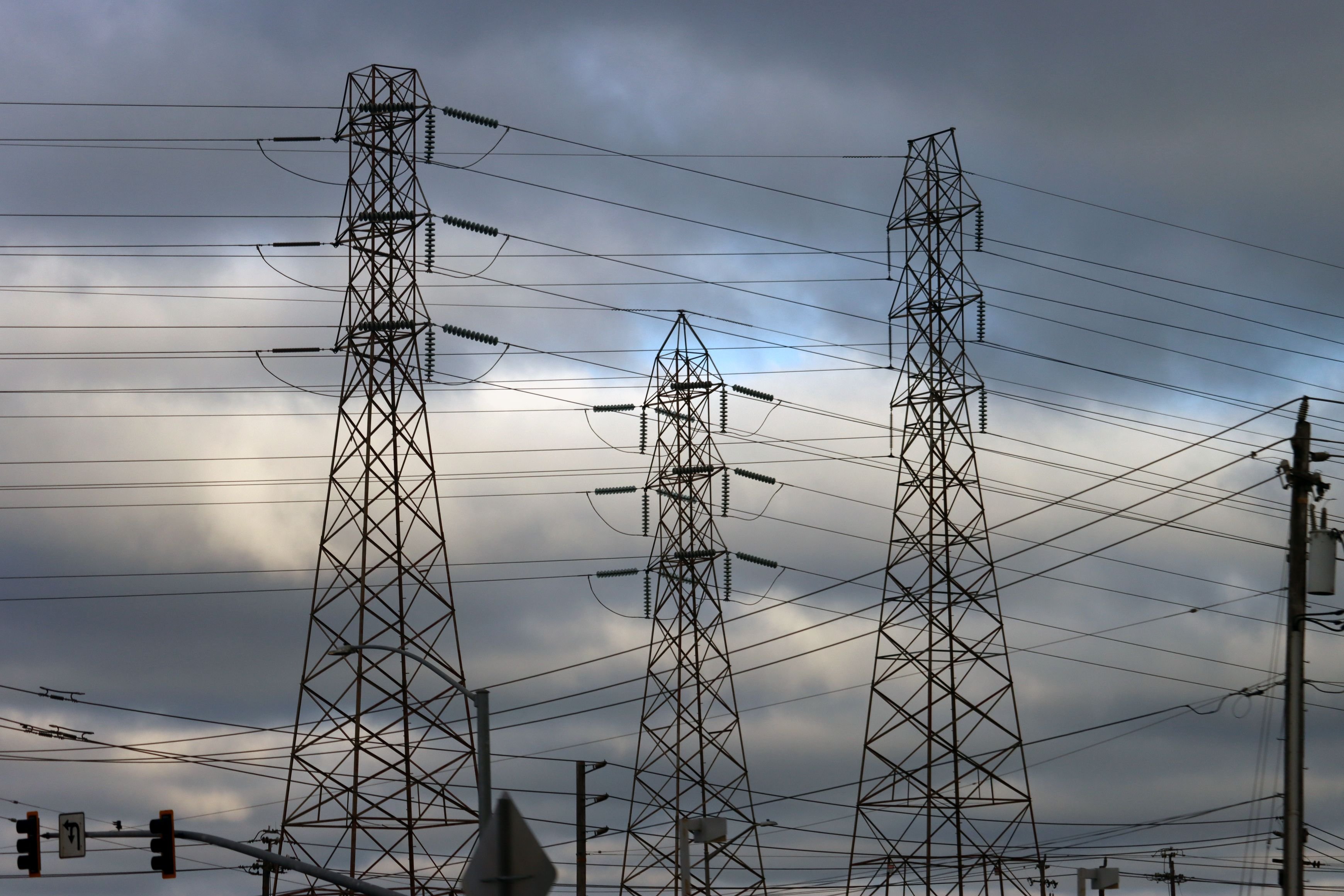
Last year highlighted just how vital the energy grid is to daily life. In April, Spain and Portugal experienced a widespread power outage following a technical failure. The outage brought several major cities to a standstill, causing disruption across businesses, schools, hospitals, transportation, and other critical services. According to later reports, the blackouts were triggered by a grid regulator fault.
Events like this underline not just the inevitability of failures in complex systems, but the importance of grids being able to fail-safe. That means isolating faults, maintaining continuity where possible, and enabling rapid, graceful recovery.
These same principles of resilience, redundancy, and recovery by design have fueled the rise of cloud and IoT technologies. Once seen as peripheral, they are now central to how modern energy networks operate. Connected devices, Edge computing, and scalable infrastructure enable real-time tracking, remote control, and distributed energy management. This leads to more efficient resource use, reduced waste, and more sustainable operations.
However, greater connectivity brings greater risk – and as grids become smarter, the line between cyber and physical threats is blurring. As such, the ability to detect, isolate, and respond to attacks is now just as important as recovering from failure. Data centers play a critical role in this ecosystem. They are no longer just storage hubs, but active control centers that support AI-driven threat detection, real-time decisions, and secure uptime.
An expanding ecosystem, a growing attack surface
This risk is amplified by the complexity of the grid’s expanding and increasingly distributed connected ecosystem. Smart meters, home energy management systems (HEMS), EV chargers, sensors, and renewable energy sources are now integral parts of the landscape. Many of these are third-party devices, installed outside the direct control of grid operators and often sitting ‘behind the meter.’
While technical faults can usually be managed through good specification and design, the real concern lies elsewhere. Together, these conditions create the perfect environment for cyber threats – a widening attack surface, a patchwork of devices with varying standards, and a growing reliance on software and connectivity.
A sector under attack
Energy networks are part of critical national infrastructure, which makes them an attractive target for cyberattacks. IBM reports that 43 percent of all recorded cyber incidents in Europe were aimed atthe energy sector. These threats range from ransomware campaigns by criminal groups seeking profit to more advanced operations by nation states designed to disrupt essential services.
To address some of these challenges, the EU’s NIS2 Directive introduced a unified legal framework across 18 sectors, including energy. It requires energy companies to strengthen their resilience by implementing robust policies for supply chain security, vulnerability management, and cybersecurity education and awareness. In addition, under NIS2, any serious cyber incidents that could cause major disruption must be reported to the relevant authorities within 24 hours.
Beyond cyberattacks, the grid faces a hidden risk of outages caused by its reliance on a complex network of third-party suppliers. As a result, energy companies must ensure that all third-party products and services within the supply chain comply with security standards like NIS2. Extra precautions include vetting components and conducting stringent security checks to ensure that they are sufficiently protected.
Raising the bar on grid resilience
Energy companies should carefully consider resilience and cybersecurity when deciding how to connect to the IoT and data center infrastructure. The sector now relies on a wide range of connectivity options, from fiber and cellular networks to WiFi, LoRaWAN, and satellite. Providers must select solutions that deliver secure and mission-critical communications across local, regional and national infrastructure.
Cellular networks, for example, provide flexible, reliable, and scalable connectivity. They can also enhance security through the use of private network infrastructure and anomaly threat detection, which monitors traffic patterns to automatically identify, block, and notify operators of any unauthorized use or tampering. This adds another layer of protection to deployments.
Regardless of the connectivity method, security must be integrated into every stage of energy networks. Connectivity providers, device manufacturers, and solution vendors should all treat cybersecurity as a priority. This means implementing device identity authentication, ensuring secure connectivity to grid infrastructure, and embedding robust processes that include cybersecurity training and due diligence with suppliers and partners.
Keeping the lights on
When energy systems fail, the impact on people and businesses is immediate. For energy providers, the consequences go beyond temporary disruption, with potential impacts on economic stability, public confidence, and government trust.
Energy companies must ensure their networks are resilient and able to recover quickly, whether outages are caused by cyber-attacks or technical failures. By mitigating risk, they can protect future-proof operations and keep the grid running.






Read the orginal article: https://www.datacenterdynamics.com/en/opinions/cyber-resilience-starts-with-smarter-infrastructure/