

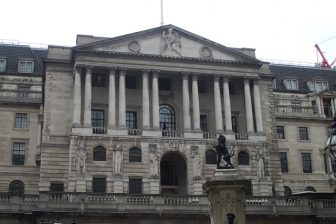
 The total value of outstanding residential mortgages in the UK reached a record £1.734trn in the final quarter of 2025, according to new data from the Bank of England.
Figures from the central bank’s Mortgage Lenders and Administrators Statistics show the stock of mortgage lending rose by 0.8% during the quarter and was 3% higher than a year earlier.
However, the data also indicates a slowdown in new lending. Gross mortgage advances fell by 1.3% to £79.4bn compared with the previous quarter, while new mortgage commitments — a measure of future lending — dropped by 11.9% to £69.9bn, the largest quarterly decline since the third quarter of 2023.
The data also suggests some borrowers are taking on higher levels of borrowing to access homeownership. Lending with loan-to-value (LTV) ratios above 90% accounted for 8.3% of advances in the quarter, up 0.9 percentage points from the previous three months and the highest proportion since the second quarter of 2008.
The share of lending to borrowers with higher loan-to-income (LTI) ratios also increased, reaching 46.5%, the highest level since late 2022.
Mortgages for house purchases by owner-occupiers made up 61.6% of gross advances during the quarter, an increase of 3 percentage points compared with the previous period.
“The shift in the mix of lending reinforces that picture. The share of lending for house purchase rose by 3 percentage points, the biggest quarterly jump since 2024, while remortgaging fell by a similar amount. That pattern typically reflects buyers taking advantage of a period where rates have stabilised and affordability has eased just enough to make transactions possible again. Gross advances decreased marginally but are still more than 15% higher than a year earlier, which fits that same narrative.”
Meanwhile, the share of remortgaging fell to 25.4% of gross advances, down 3.1 percentage points from the previous quarter.
Buy-to-let lending increased slightly, with its share of gross advances rising to 8.4%.
Mortgage arrears continued to decline. The value of outstanding balances in arrears fell by 0.9% to £20.4bn, the lowest level since the third quarter of 2023 and 5.3% lower than a year earlier.
Overall, 1.2% of total mortgage balances were in arrears, unchanged from the previous quarter but slightly lower than the same period last year.
However, the share of arrears recorded as new cases rose to 9.4%, the first quarterly increase since mid-2023.
Noye continued: “Arrears data also pointed to a market on steadier footing. Outstanding balances with arrears fell to their lowest level since 2023, and the overall arrears share held at 1.2%. That stability was giving lenders confidence to support higher LTV and higher LTI segments without broadening risk too aggressively.
“The challenge is that this gradual improvement in affordability was predicated on falling swap rates and an expectation of rate cuts through early 2026. The US–Iran conflict has unsettled that trajectory. Higher oil prices and market volatility have pushed swaps up again, prompting lenders to pause or reverse planned reductions. This is likely to affect exactly the groups who had been returning to the market. For first‑time buyers, even a small rise in pricing can wipe out the marginal affordability gains that made Q4 activity possible. High LTV borrowing, which had finally recovered, is particularly vulnerable to tightening or repricing.
“For those remortgaging, the timing is also unhelpful. Many households were expecting the spring to bring cheaper fixes, but instead may face slightly higher rates than anticipated. While arrears remain low, the pressure point is new affordability rather than existing borrower stress.”
Yesterday’s oil price drop offers hope for mortgage holders and consumers after days of turmoil in the financial markets.
Chris Beauchamp, chief market analyst UK at investing and trading platform IG, commented: “The immediate panic over energy costs and rate hikes has evaporated following Trump’s press conference. It appears the president’s red line was oil over $100, and his comments have offered some relief, just 24 hours after a full-blown energy crisis appeared to be materialising. Bets on a BoE rate hike were misplaced anyway, but these have now been reversed.
“For mortgage holders, this matters because expectations around inflation and energy costs feed directly into interest rate forecasts. If oil prices remain contained, pressure on the Bank of England to tighten policy further should ease, which is welcome news for borrowers coming up to remortgage or currently on variable or tracker deals.
“However, continued easing in oil prices would require an actual ceasefire in the Middle East, and there is no sign of that happening just yet, suggesting a steady crawl higher rather than one big jump is now the likely outcome. Those hoping for a steady procession of BoE cuts to help ease mortgage payments may be disappointed, since this week’s energy volatility tips the hand of the hawks on the MPC to argue for a ‘wait and see’ approach.”
Read the orginal article: https://propertyindustryeye.com/buyer-confidence-edges-back-but-mortgage-rate-volatility-risks-recovery/?utm_source=rss&utm_medium=rss&utm_campaign=buyer-confidence-edges-back-but-mortgage-rate-volatility-risks-recovery


